MyQuest Patient Portal: Login, App, Lab Results & Account Access Guide
A comprehensive manual detailing how to navigate quest diagnostics myquest services, activate two-factor authentication on your myquestaccount, view diagnostic trends, configure the myquestapp, and manage family diagnostic records with confidence.
Digital Health Trends in 2026
A clinical study published in JAMA Network Open established that 68.6% of adults in the United States now review their routine diagnostic tests and electronic charts online through patient portals before receiving direct clinical outreach from their physician. Managing your digital profile accurately ensures seamless continuity of care.
What Is MyQuest?
The digital evolution of health records has made immediate access to diagnostic testing a standard pillar of patient care. Quest diagnostics myquest represents the central secure web and mobile infrastructure created to give patients direct ownership of their diagnostic information. Rather than waiting days for mailed paper notifications or routine phone callbacks, individuals utilizing myquest labs portals receive instant electronic access to specimen analysis, metabolic panels, allergy tests, lipid profiles, and wellness screenings as soon as they are finalized by certified clinical technicians.
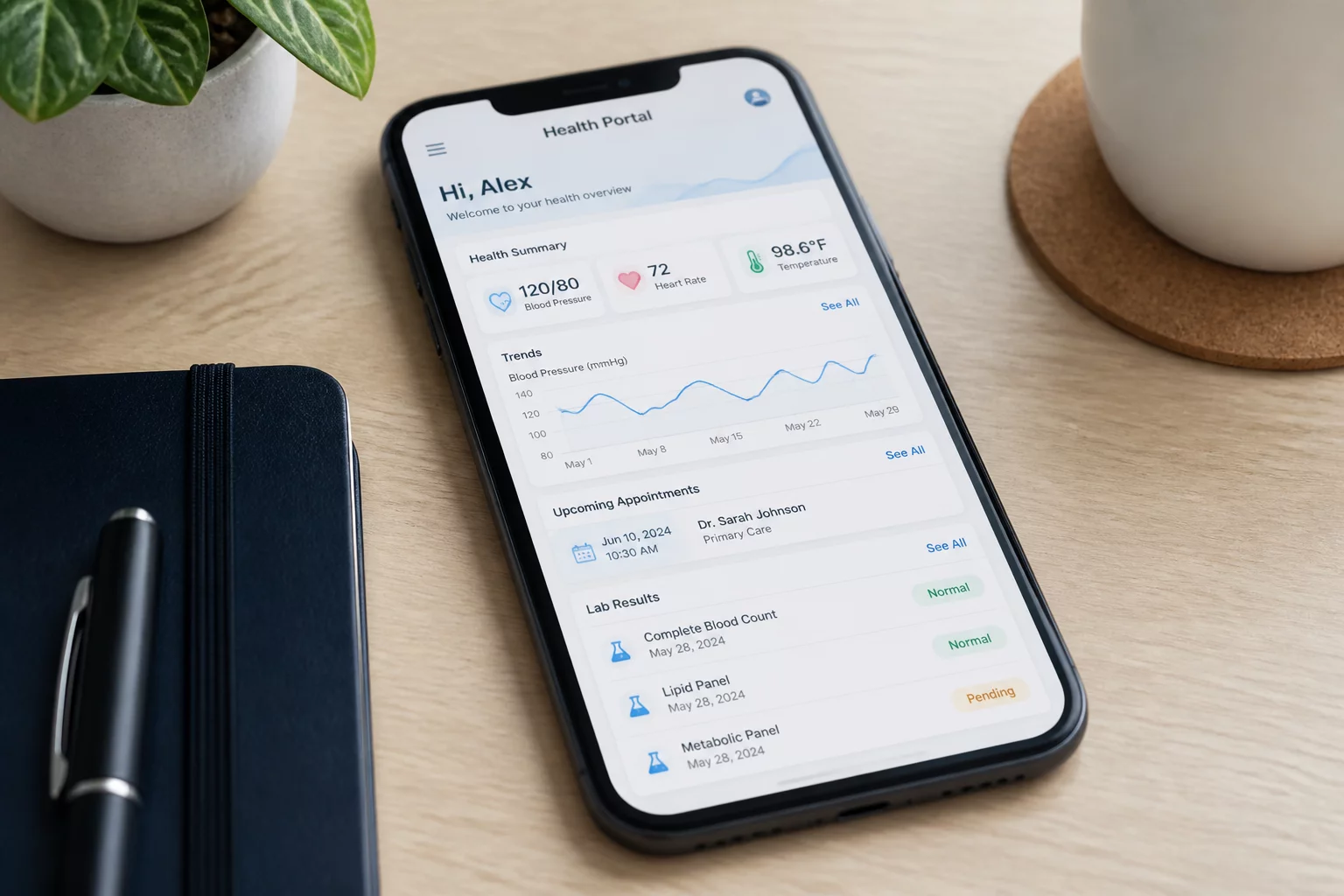
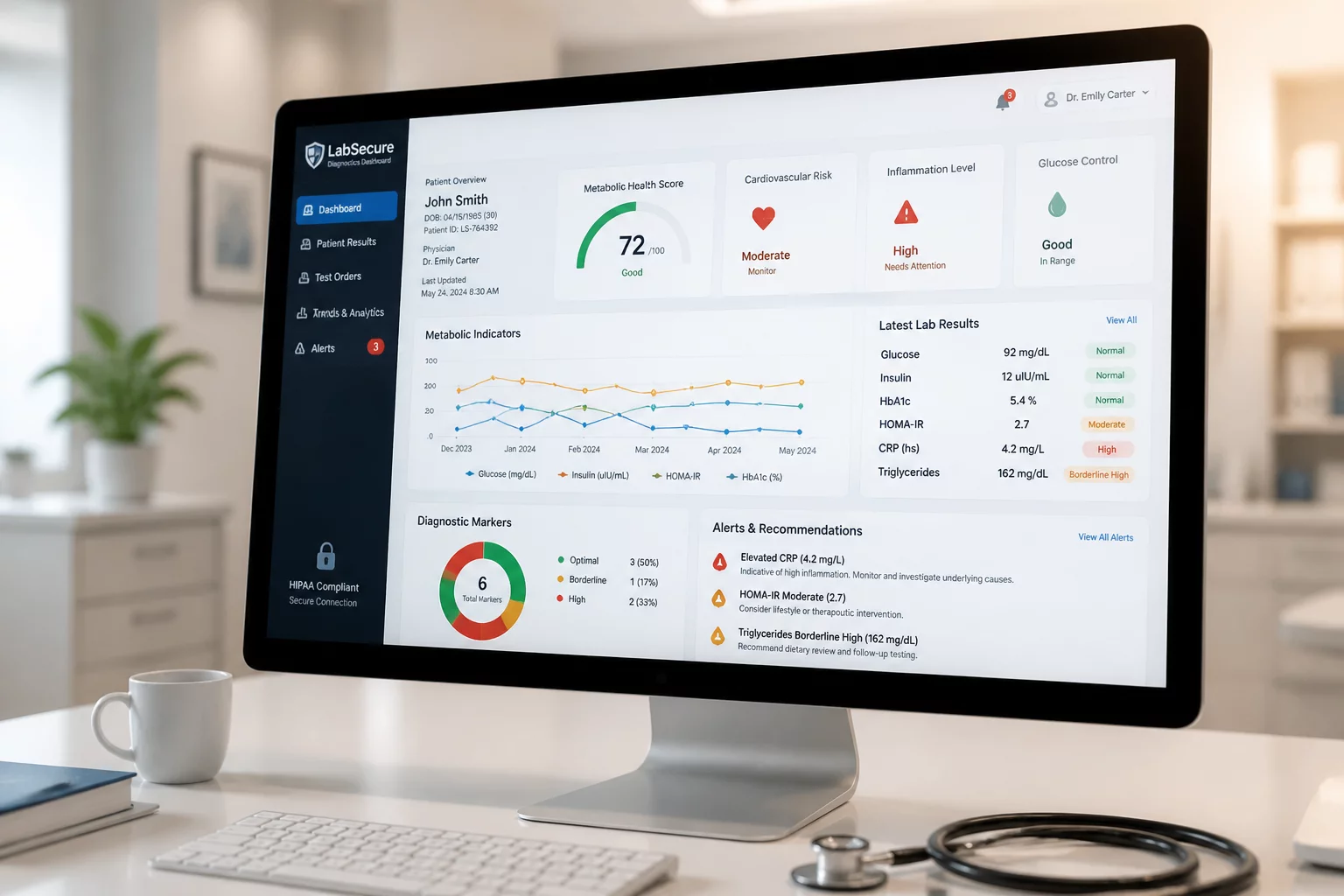
The platform, widely referenced across the healthcare sphere as myquesthealth and myquestdiagnostic, serves a dual role: it operates as a secure repository for personal medical history while simultaneously acting as an active management hub. Through a single personalized dashboard, patients can schedule appointments at thousands of patient service centers across the country, track pending orders, monitor longitudinal health trends through visual charts, and securely share complete diagnostic reports with primary care physicians or specialist care teams.
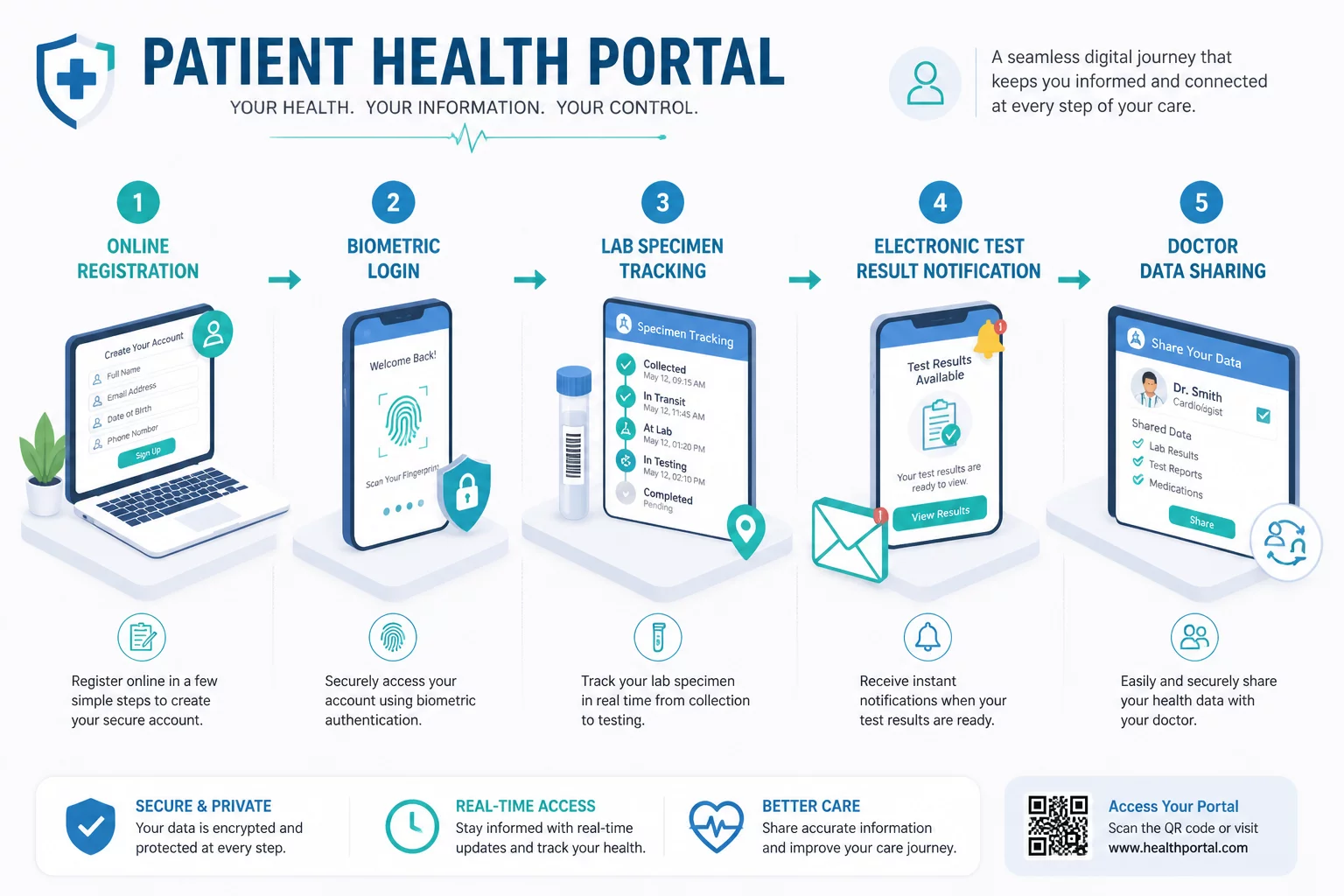
Workflow overview: Account authentication, specimen tracking, automated lab analysis, and electronic chart sharing.
exercisesMyQuest Login and Account Access
Establishing and maintaining a myquestaccount requires clear adherence to verified authentication protocols. Because clinical data is protected under federal health regulations, accessing the official portal login endpoint involves several validation gates designed to prevent unauthorized entry.
1. Official Endpoints
Always navigate to the authenticated portal via verified domains or official mobile store listings. Check for valid SSL certificates before typing credentials.
2. Identity Verification
New profile activation uses identity verification logic comparing legal full name, date of birth, residential address, and phone details against laboratory intake files.
3. Two-Factor (2FA)
Multi-factor authentication via SMS shortcode or authenticator apps adds a vital protective layer against credential stuffing and brute-force intrusions.
When logging in from a new computer or mobile browser, the portal automatically triggers an out-of-band security challenge. If your legal name on your diagnostic requisition form does not match your registered portal profile exactly (for instance, using a nickname instead of your legal first name), automatic record linking may pause until manual verification is completed.
MyQuest App: Mobile Features for iOS and Android
For patients on the go, the quest diagnostics myquest app delivers complete functionality optimized for smartphone interfaces. Available across both major operating platforms, the native myquestapp brings vital clinical management directly into your daily routine.
- Instant Push Notifications: Receive real-time push alerts the moment laboratory specialists release finalized blood work or specimen metrics.
- Location & Geolocation Scheduling: Locate nearest patient service centers, inspect wait times, and reserve specific time slots for fasting blood draws or routine collections.
- Mobile Check-in Express: Check in straight from your vehicle upon arrival at the clinic to secure your queue spot with minimal contact.
- Integrated Biometric Passcode: Replace repetitive password inputs with native Touch ID, Face ID, or Android Biometric Prompt protocols.
Lab Results and Test History
The primary feature for most registered users is reviewing clinical outputs. Understanding the operational timeline and data visualization tools enables patients to participate proactively in their wellness tracking.
Release Timelines for Routine Tests
Standard metabolic screenings, complete blood counts (CBC), routine urinalysis, and lipid panels typically populate within 24 to 72 hours following specimen collection. Complex specialized assays or genetic evaluations may require additional processing windows before electronic publishing.
Historical Trend Graphs & Sharing
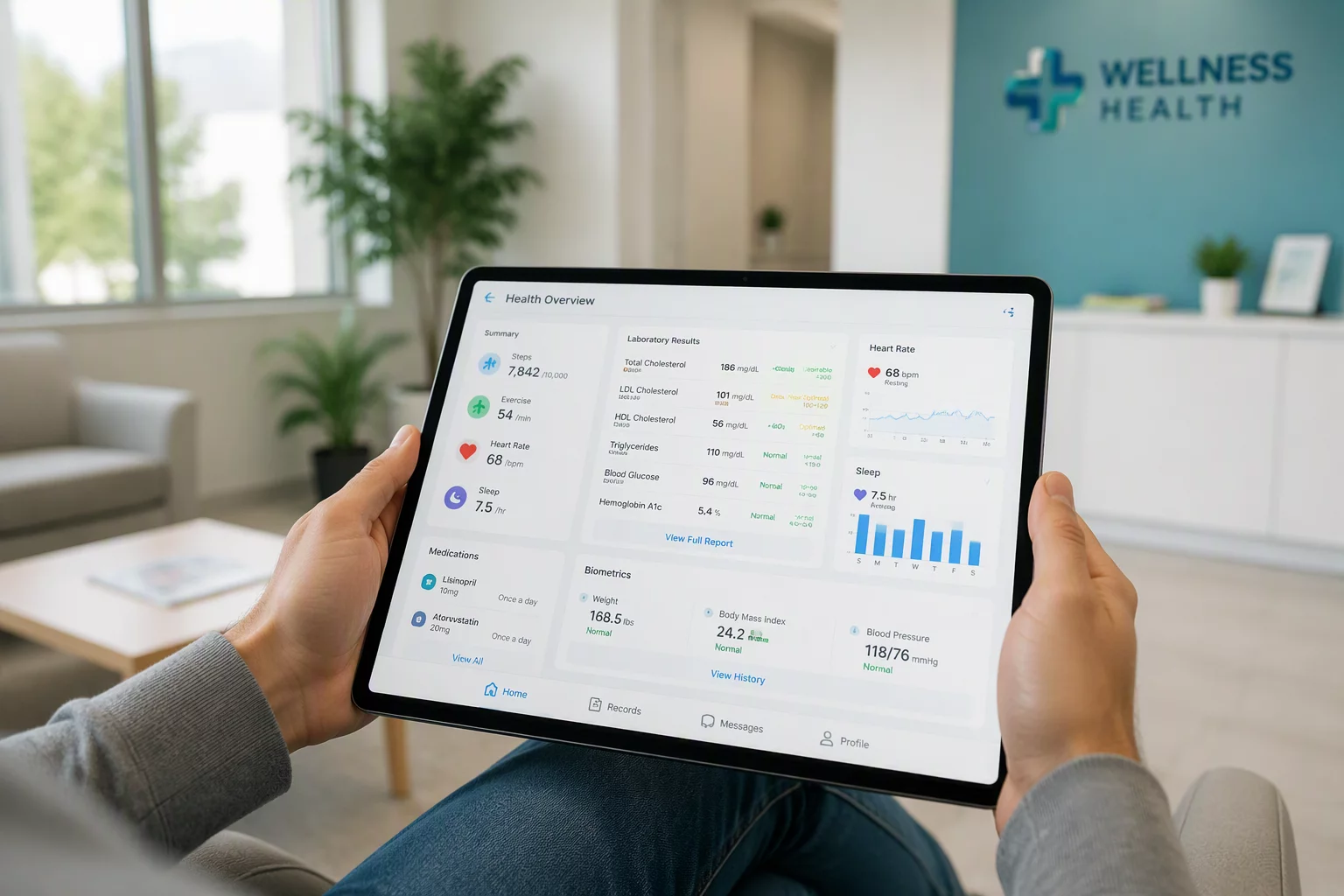
The portal compiles historical data across multiple years into clear visual trend graphs. Patients can observe changes in fasting glucose, cholesterol tiers, and vitamin D markers over time, as well as export structured PDF copies to send directly to medical specialists.
MyQuest Account and Patient Portal Features
Beyond standard specimen review, your account serves as an end-to-end administration center for comprehensive family health management and billing oversight.
Set up authorized proxy access for dependent minors or elderly relatives under legal guardianship to review and archive pediatric or elder care records seamlessly.
Book, reschedule, or cancel appointments across regional service centers with immediate calendar synchronization and SMS reminders.
Review transparent diagnostic invoices, inspect health insurance copay settlements, verify deductibles, and complete electronic payments safely.
Privacy and Account Security Safeguards
Digital health repositories handle strictly confidential electronic protected health information (ePHI). Under Health Insurance Portability and Accountability Act (HIPAA) requirements, advanced digital security controls are actively enforced on both portal web servers and mobile application databases.
Key Safeguard Pillars:
- End-to-End Encryption: All medical data transferred between laboratory servers and client web browsers is secured using modern TLS/AES-256 protocol suites.
- Biometric Guardrails: Mobile sessions require local fingerprint or facial verification without transmitting raw biometric data across the network.
- Automated Inactivity Logout: Web sessions automatically terminate after 15 minutes of inactivity to protect information if a terminal is left unattended.
- Unique Account Passphrases: Requiring multi-character password complexity to repel dictionary and automated credential matching attempts.
Common Access Problems & Solutions
Users occasionally encounter account obstacles when attempting to log in or link newly completed laboratory requisitions. Review this diagnostic matrix to resolve standard access interruptions:
| Issue Type | Primary Cause | Recommended Resolution |
|---|---|---|
| Forgotten Password | Expired or displaced login passphrases. | Select the password reset option at the official login portal to receive a secure recovery token via your verified email address. |
| Outdated Email Address | Loss of access to old email used during initial profile registration. | Contact verified portal technical helpdesk to complete identity re-authentication before updating the primary mailbox. |
| Verification Delays | Spelling mismatch between legal intake papers and profile details. | Ensure first name, last name, date of birth, and Social Security digits match the laboratory intake document precisely. |
| Browser Cookie Glitches | Corrupted local storage caching conflicting session cookies. | Clear browser cache and cookies, disable aggressive ad-blockers on login pages, or open a private browsing window. |
| Mobile App Freezing | Outdated application build or cached background tasks. | Update to the latest app release via the official app store or perform a clean reinstallation on your device. |
Using Digital Health Portals Safely
Digital patient portals contain critical personal identification information alongside complete clinical records. Practicing defensive cyber hygiene is necessary when reviewing your diagnostic files outside private environments.
Public Wi-Fi Precautions
Never log in to health accounts on open public Wi-Fi networks in coffee shops, airports, or hotels without an encrypted VPN tunnel active on your device.
Device Lock Routines
Ensure your smartphone and computer possess auto-lock screens requiring pin or biometric validation, and always click the manual logout button on shared devices.
Frequently Asked Questions
Final Summary
The quest diagnostics myquest ecosystem empowers individuals to take direct charge of their health information. By maintaining an active myquestaccount, utilizing the convenience of the myquestapp, and adhering to strict credential hygiene, you ensure instant access to essential clinical testing metrics whenever and wherever you need them.